Traceable
Every figure should point back to the code, input files, databases, symbol history, and assumptions that produced it.
Live research atlas
NeuroGenAI is a living research workspace: part educational atlas, part protocol decoder, part evidence engine. The first module follows primary microcephaly genes through old R scripts, modern gene symbols, developmental expression, clinical panels, and psychiatric-neurological intersections.
Why this exists
Every figure should point back to the code, input files, databases, symbol history, and assumptions that produced it.
Bioinformatics pipelines should explain themselves at the level of files, functions, objects, joins, plots, and biological meaning.
Old scripts can stay reproducible while current HGNC symbols, PanelApp evidence, Open Targets links, and updated literature are layered on top.
Atlas modules
Available now
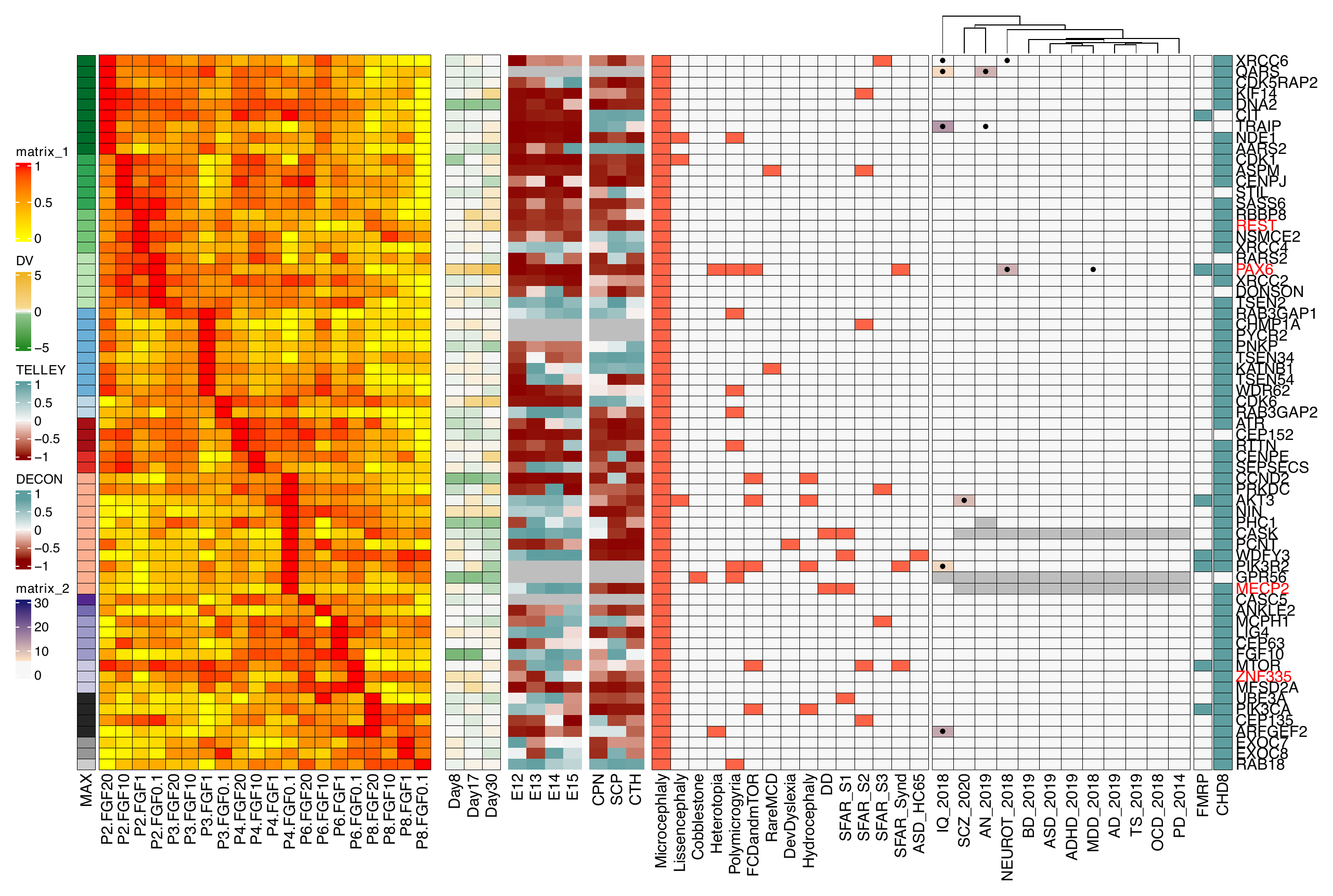
Decode the inherited R protocol, rerun it with alias-normalized MCPH genes, inspect the heatmap, and build toward gene, database, and bibliography profiles.
New research layer
Follow the deep-search protocol, current reviews, 2025-2026 discovery papers, KNL1/CASC5 lineage, Gabriel Santpere's developmental-genomics work, and psychiatric cross-disorder genetics.
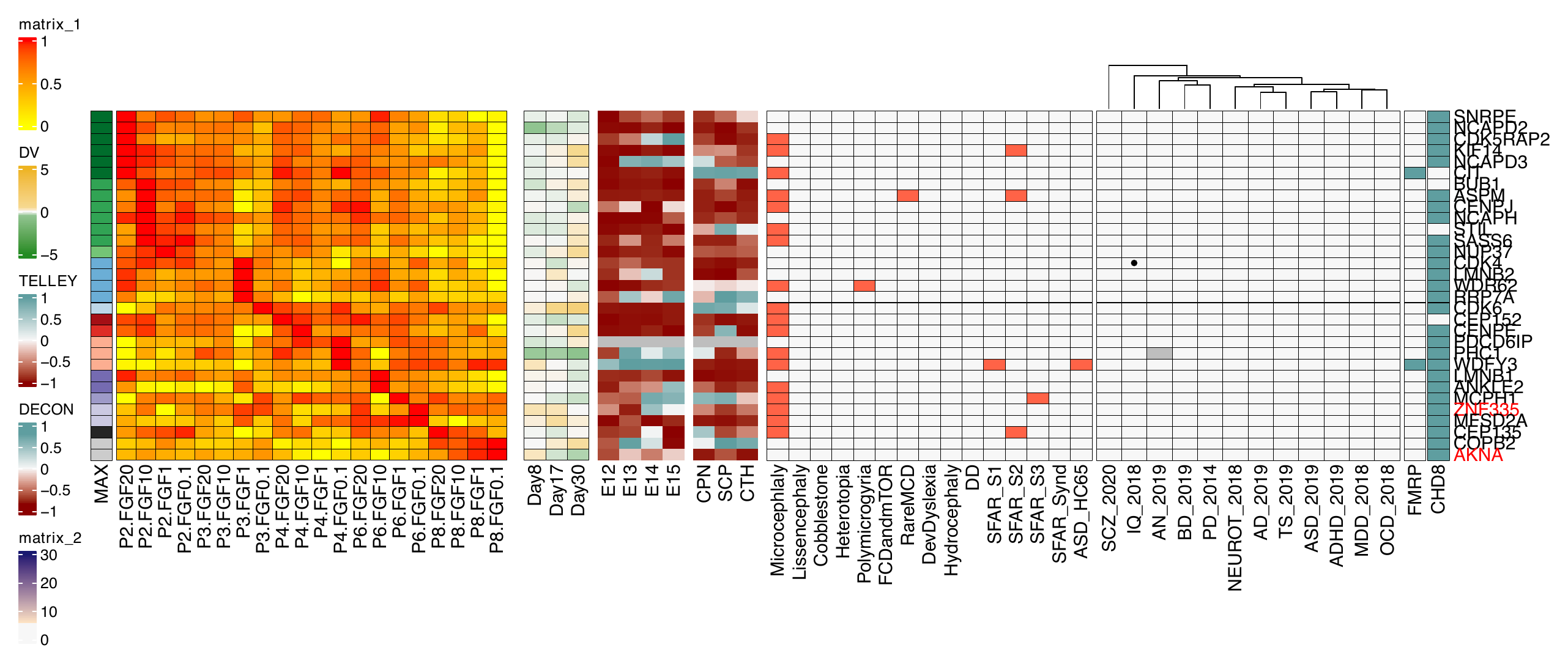
New gene layer
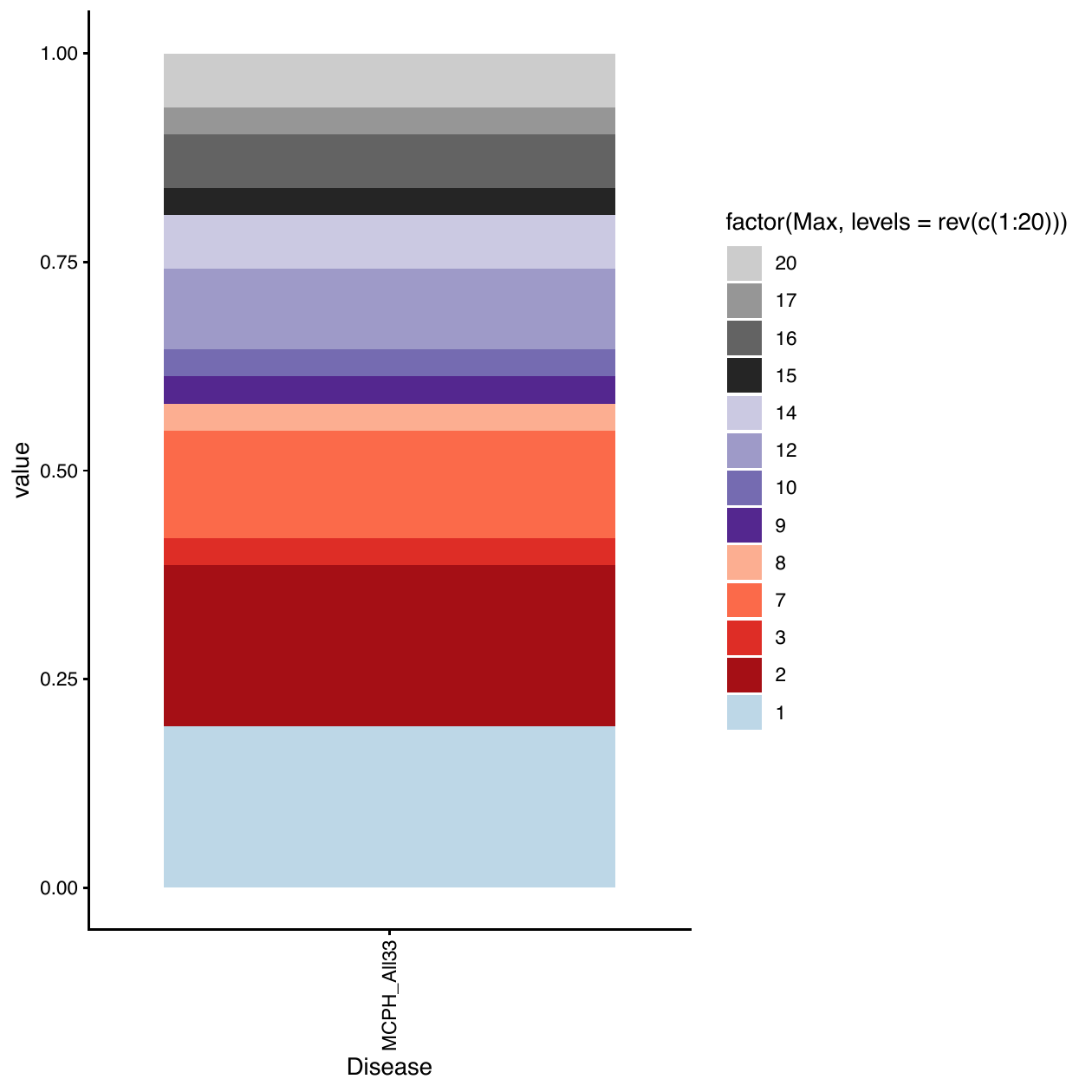
Read each gene as a biological mechanism, not a name in a list: centrosomes, kinetochores, cytokinesis, nuclear envelope, chromatin, trafficking, RNA processing, and vascular-metabolic support.
Roadmap
A step-by-step plan for updating the inherited R protocol with HGNC, PanelApp, G2P, GenCC, ClinGen, BrainSpan, NeMO, Open Targets, GWAS Catalog, and pathway evidence.